


Middle East Airspace Disruption: What Corporate Travellers Need to Know
In the early hours of Saturday 28 February, a major regional escalation triggered widespread airspace restrictions and severe disruption to commercial aviation across the Middle East. This disruption has now continued for several days and remains fluid, with implications for flight operations, traveller mobility and international connections.
At the centre of the disruption are airspace closures and restrictions across parts of the region. These measures have reduced or halted civilian overflights through key corridors and have forced airlines to suspend services, reroute aircraft, and make short-notice schedule changes.
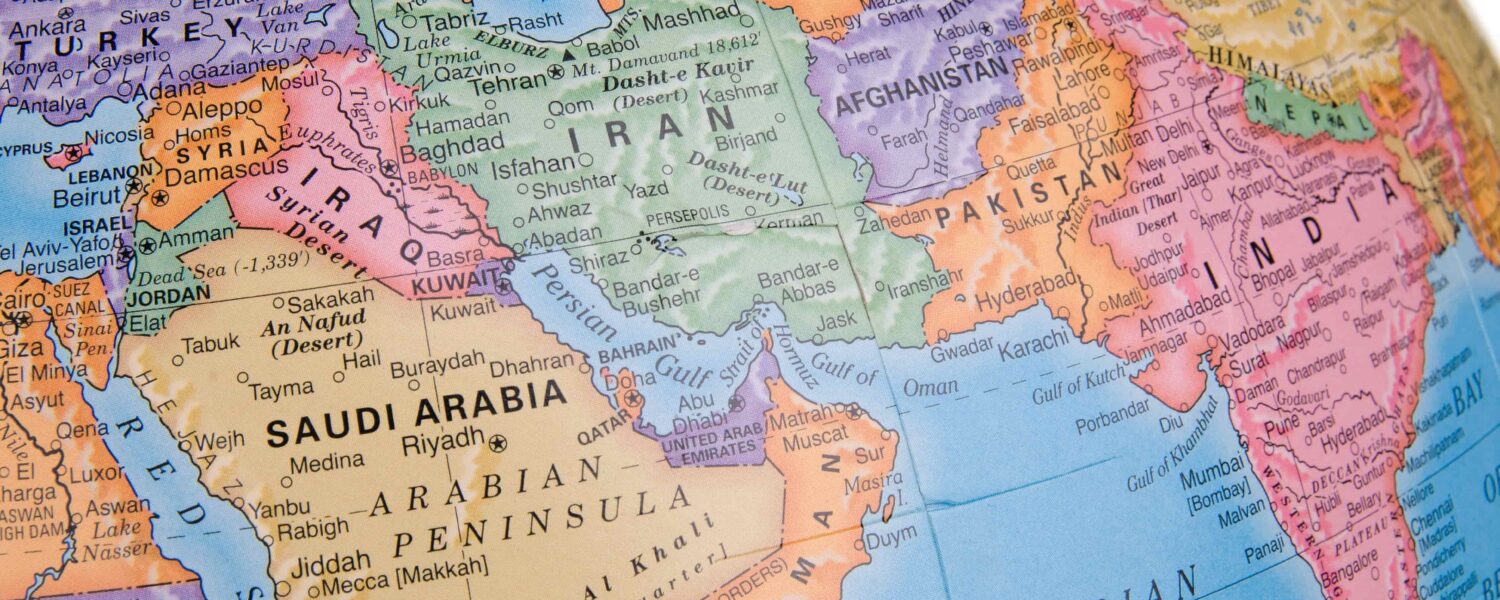
Key hub airports that normally handle very large volumes of global traffic remain closed or severely restricted. This includes Dubai International Airport, Al Maktoum International (Dubai World Central), Zayed International Airport (Abu Dhabi), and Hamad International Airport (Doha). Since the restrictions began, thousands of flights have been cancelled across the region, with significant passenger disruption.
Major carriers that normally operate through these hubs have issued rolling operational updates and, in many cases, have suspended most or all scheduled services for defined windows while airspace access remains restricted. Airline schedules are changing rapidly, and published departure times should not be treated as fixed until flights are confirmed as operating.
Independent flight tracking and news reporting indicate the scale of disruption is substantial, with thousands of cancellations recorded across multiple major Middle East airports since the weekend. The result is widespread passenger displacement, with many travellers waiting for reroutes, rebooking options, or onward capacity to become available.
The closures are also creating secondary disruption worldwide. With Dubai, Doha and Abu Dhabi typically acting as critical transit hubs between Europe, Asia, Africa and the Americas, their reduced capacity has ripple effects for global networks. Flights that would normally route through Middle Eastern airspace are being cancelled, diverted, or rerouted via longer corridors, increasing flight times and operational complexity.
Government travel advisories are being updated as events develop. Travellers should assume guidance may change at short notice and should monitor official government updates relevant to their nationality, as well as local authority instructions in-country.
From a corporate travel perspective, the key facts travel managers and travellers need to understand right now are:
Flight operations remain highly disrupted
Major airports in the region remain closed or unavailable for scheduled flights, and where services restart, they are dependent on regulatory clearance and safe routing. This is not a standard delay environment; it is an active, safety-led operational disruption.
Airline schedules are not reliable in the immediate term
Carriers are updating timetables frequently. Cancellations, retiming and aircraft swaps may occur with limited notice, particularly on routes that depend on restricted corridors or hub connections.
Overflight routes are restricted
Beyond airport closures, the volume of affected airspace means even flights not starting or ending in the Gulf may be forced into longerroutings, or cancelled if detours are not viable.
Passenger stranding is widespread
Many passengers have been displaced by cancellations and are awaiting re-accommodation, reroutes, or seat availability on alternative services.
Global carriers are adjusting services, not only regional airlines
European,Asian and other international airlines have also cancelled or rerouted flights touching the region. The disruption is not confined to Middle East-based carriers.
Advisory guidance is changing
Government and aviation authority updates are evolving as the situation develops, and travellers should check official guidance regularly.
What this means for corporate travel right now
- Any flight booked to, from, or transiting through the Gulf should be assumed likely to change until the airspace situation stabilises.
- Avoid tight connections through regional hubs and build additional buffer time around critical meetings.
- Postpone non-essential travel where operational flexibility allows, given the unpredictability of flight operations in the near term.
- For travellers currently in or en route to the region, stay in close contact with the operating carrier and monitor airport announcements, as rebooking windows and accommodation options are changing quickly.
This is a changing situation and we’ll keep you updated.