


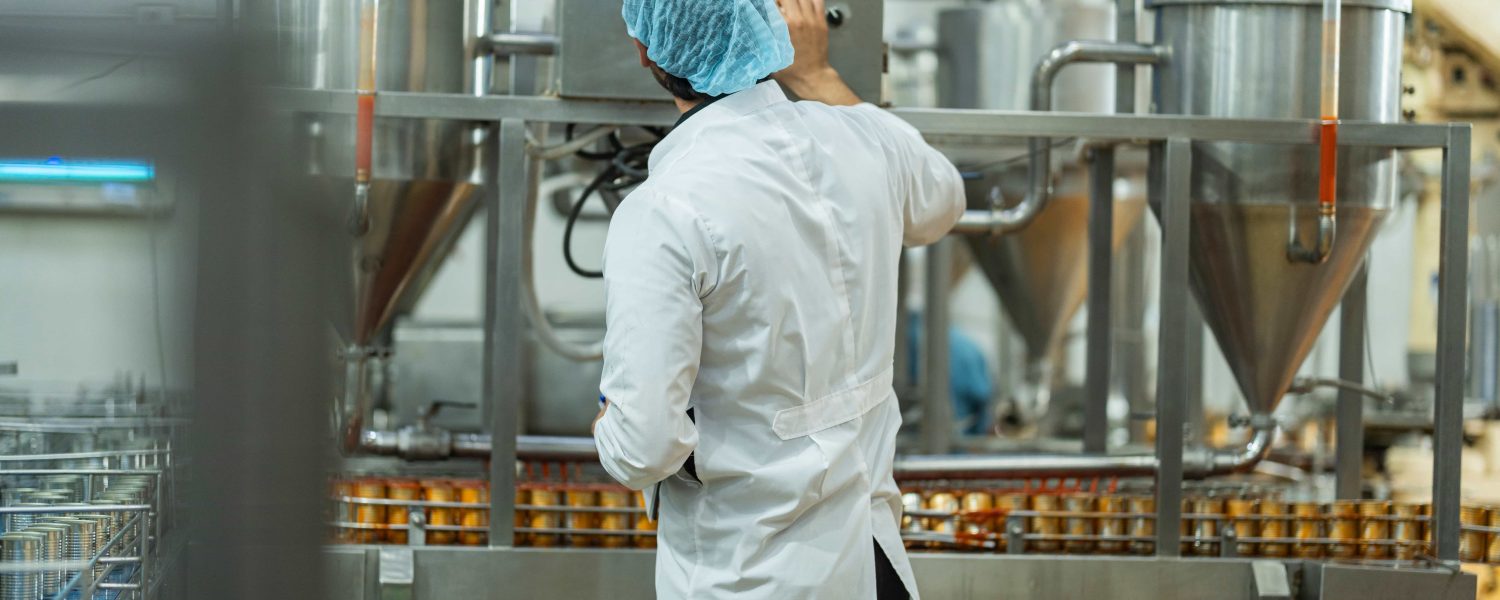
Why travel gets harder to manage as food and beverage manufacturers grow
For many food and beverage manufacturers, travel starts out as something relatively simple.
A supplier visit here. A customer meeting there. A trade show a few times a year. A senior team member visiting another site. A technical specialist travelling to a production partner.
At that stage, travel can usually be handled informally.
People book what they need. A small internal team helps when required. Finance picks up the cost later. It works because the volume is manageable and the business is still close enough to the detail.
But as manufacturers grow, travel often becomes more frequent, more varied and more difficult to control.
More suppliers. More sites. More customer meetings. More exhibitions. More international partners. More people travelling across procurement, operations, technical, commercial and leadership teams.
At that point, travel stops being a simple administration task.
It becomes part of how the business keeps its supply chain, customers and operations moving.
Growth creates more movement across the business
Food and beverage manufacturers rarely grow in a straight line.
Growth may come through new customer contracts, additional production capacity, new product categories, export activity, acquisitions, supplier changes or relationships with larger retailers and distributors.
Each of those changes can create more travel.
Procurement teams may need to visit supplier facilities. Technical and quality teams may need to attend manufacturing sites or production partners. Commercial teams may need to support customer meetings, retailer reviews and distributor relationships. Senior leaders may need to spend more time across multiple locations.
The issue is not simply that more people are travelling.
It is that travel starts to support different parts of the business at the same time.
A procurement trip may be tied to supplier confidence. A technical visit may be linked to production continuity. A customer meeting may support a major commercial relationship. An exhibition may create opportunities that matter to future growth.
When travel becomes more connected to operational and commercial activity, disruption becomes harder to absorb.
Supplier relationships often depend on being there
In manufacturing, supplier relationships matter.
That is especially true for food and beverage businesses where ingredients, packaging, equipment, production partners and international sourcing can all play a role in business performance.
Some conversations need to happen face to face.
Procurement teams may travel to strengthen supplier relationships, review facilities, discuss capacity, resolve issues or build confidence around future supply. Technical teams may need to visit production sites, quality teams may need to support audits, and leadership teams may need to maintain relationships with key partners.
These journeys are not always optional.
They often support the business’s ability to keep production moving, maintain standards and manage relationships properly.
If travel is disorganised, delayed or difficult to change, the impact can quickly move beyond the traveller. It can create pressure for the people waiting on decisions, updates or reassurance.
Well-managed travel helps reduce that friction.
It gives teams a clearer way to arrange visits, respond to changes and keep supplier activity moving without creating unnecessary internal administration.
Customer and commercial travel needs consistency
Travel also plays an important role on the commercial side of food and beverage manufacturing.
Teams may be visiting customers, attending retailer reviews, meeting distributors, supporting trade exhibitions or developing relationships with private label partners.
These moments matter because they often sit close to revenue, growth and account management.
A missed meeting, poor connection or last-minute hotel issue may not define a relationship on its own, but repeated travel friction can affect how prepared and professional a business feels.
Commercial teams need to arrive ready to have the right conversation.
They should not be spending valuable time chasing booking changes, checking travel options or solving issues that could have been handled more smoothly.
For growing manufacturers, this becomes more important as more people across the business begin travelling on behalf of the brand.
Consistency matters.
Not because travel needs to become rigid, but because the business needs a dependable way to support people when they are representing the company.
Informal booking becomes harder to manage
Informal travel processes can work well for a small team.
But they often start to struggle as manufacturing businesses become more complex.
Bookings may sit across different inboxes, supplier portals, personal accounts, spreadsheets and expense claims. Different departments may use different approaches. Some travel may be booked far in advance, while other trips are arranged at short notice when priorities change.
That can create several problems.
- Operations may not always know who is travelling, when and why.
- Procurement may spend too much time arranging and rearranging trips.
- Finance may struggle to understand spend by department, site, customer or project.
- Travellers may be left sorting issues themselves when plans change.
None of this usually happens because the business has made a bad decision.
It happens because the travel process has not kept pace with the way the business now operates.
As travel becomes more frequent and more commercially important, the business needs better structure without creating unnecessary complexity.
Changing priorities need responsive support
Food and beverage manufacturing is not static.
Production schedules change. Supplier meetings move. Customer requests come in at short notice. Exhibition plans evolve. A technical issue may require someone to visit a site sooner than expected. A commercial opportunity may mean adding another traveller to an existing trip.
The challenge is not just making the original booking.
It is dealing with the changes.
When travel is managed informally, every change creates extra work for internal teams. Someone has to check options, compare costs, amend bookings, update travellers, inform colleagues and make sure everything still fits the business need.
That can absorb valuable time from people whose main role is not travel administration.
A dependable travel management partner helps take pressure away from those teams.
It gives the business a practical route for handling changes quickly and calmly, so travel can adapt around operational priorities rather than adding more work to them.
Finance teams need clearer visibility
As travel increases, cost visibility becomes more important.
For finance teams, the question is not just how much the business is spending. It is where that spend sits, who approved it, what it relates to and whether it is being managed consistently.
Without good visibility, travel spend can become difficult to interpret.
Costs may be spread across departments, sites, projects, customers, suppliers and individuals. Some spend may appear through expenses. Other spend may sit with different booking routes.
By the time finance sees the full picture, the opportunity to manage it properly may have passed.
Better travel management helps bring more of that information together.
It can support:
- Clearer approval routes
- More consistent booking processes
- Consolidated reporting
- Better visibility over travel activity
For growing food and beverage manufacturers, that makes travel easier to manage commercially as well as operationally.
Travel should support the supply chain
Food and beverage manufacturing depends on coordination.
Suppliers, production teams, technical specialists, commercial teams, customers and partners all need to work together. Travel helps make that happen.
But when travel is fragmented, reactive or difficult to control, it can create extra complexity around the very relationships it is supposed to support.
That is why growing manufacturers often benefit from a more structured approach.
Not a rigid system that slows people down. Not a leisure-style travel service that focuses on the wrong things. But practical, human support that helps people get where they need to be, keeps plans visible and makes changes easier to manage.
FGT helps businesses keep travel organised, responsive and commercially under control.
For food and beverage manufacturers managing supplier visits, factory travel, customer meetings, exhibitions and growing operational teams, that support can make a meaningful difference.
Because travel should support the supply chain, not create more complexity around it.