


Urgent EES Review Explained: What the Travel Industry Is Warning About and Why It Matters
If you often travel to Europe for work, you may have noticed the term “urgent EES review” appearing more frequently. EES is no longer just a future policy. It’s a real change that will affect how quickly people get through borders, especially in the first months. If you want help stress-testing upcoming trips and routes, it’s worth speaking to a corporate travel specialist.
Contents
- Why EES Has Suddenly Become a Live Issue
- What the EU Entry/Exit System Actually Does
- Why the Industry Is Calling for an Urgent Review
- What the Travel Industry Is Warning About
- Why This Matters for UK Business Travellers
- How the Traveller Experience Will Change
- The Risk of Doing Nothing
- What Businesses Should Be Doing Now
- How a Corporate Travel Partner Helps Reduce Risk
- Final Thoughts
Why EES Has Suddenly Become a Live Issue
The travel industry’s main worry is clear: rolling out a new biometric process will slow things down at the border before it eventually speeds them up. This is a problem if you’re traveling for meetings, site visits, or any work where being late causes bigger issues.
What the EU Entry/Exit System Actually Does
The EU Entry/Exit System replaces manual passport stamps with a digital record for non-EU travellers entering the Schengen Area for short visits.
Instead of getting an ink stamp, travellers will give biometric data. Border staff will take fingerprints and a facial photo, which are stored with your entry and exit dates. The system then tracks how long you stay and can spot overstays or unusual movements. (If you’re unsure what documents you’ll need for certain destinations, FGT’s passport and visa support can help you avoid last-minute surprises.)
The goal is to make border checks faster and more consistent over time. Officers will use the system instead of doing manual checks, and frequent travellers should get through more quickly after enrolling. The main challenge is the early phase, when many people are registering for the first time.
Why the Industry Is Calling for an Urgent Review
The urgent review isn’t questioning digital borders themselves. Most in the industry agree they are coming. The real question is whether border points can handle the change smoothly, without major problems.
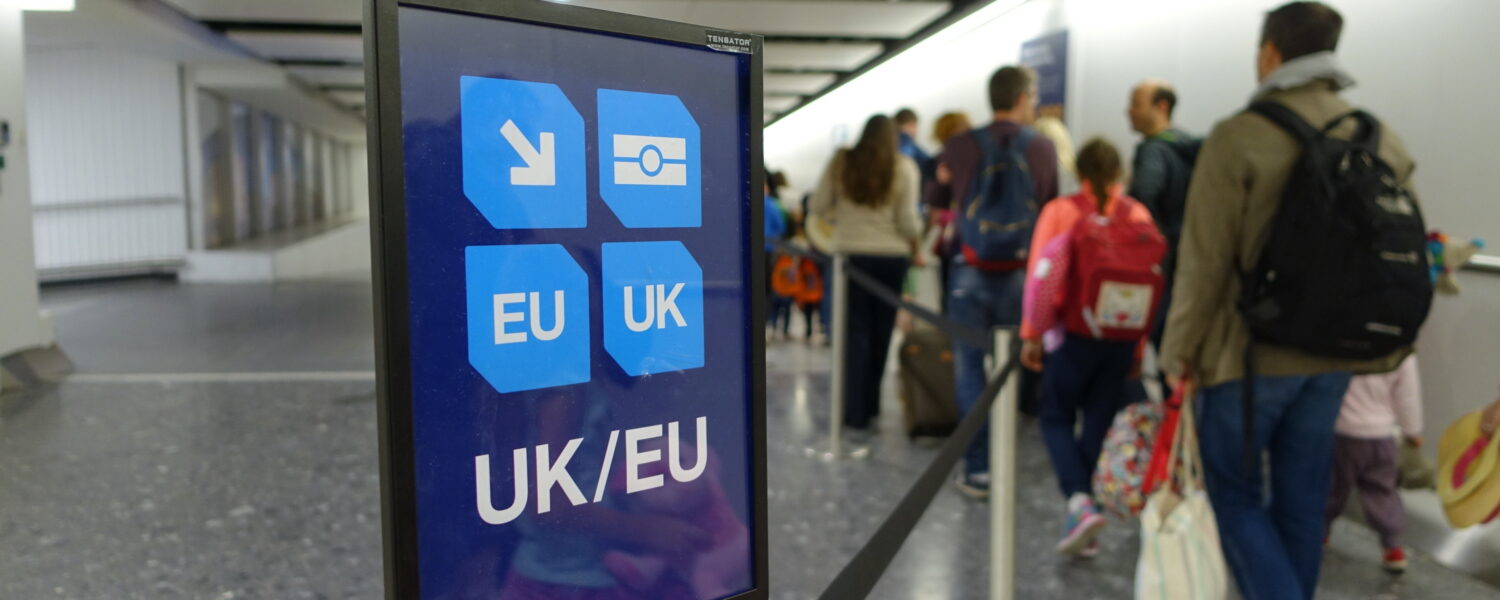
Many border checkpoints were designed for regular passport control, not for collecting biometrics. There isn’t much extra space for more kiosks, extra lanes, or managing lines. If each person takes longer to process, lines can grow fast, especially during busy times.
There’s also the technology to consider. Large systems might work well in tests but still have problems when used by lots of people at once. The industry wants to know how reliable the technology is, how fast issues can be fixed, and what happens if equipment or connections fail during busy periods.
There’s also the human factor. This process is new for both border staff and travellers. Good training, clear procedures, and keeping people moving while handling questions or mistakes will be key to making the rollout feel smooth.
What the Travel Industry Is Warning About
Most warnings aren’t about ongoing problems. They focus on the early days, when the system is new, lots of people need to enrol, and confidence is still building.
The first time you use EES, there are extra steps. Biometrics need capturing, data needs confirming, and the system has to register you properly. That takes longer than a passport scan and stamp, so border processing times are expected to rise at first.
When passport control slows down, the effects spread. Lines often overflow into terminals, slow down security, put pressure on boarding gates, and can even disrupt connections to other transport.
Those delays then hit schedules. Late boarding can mean missed slots, knock-on disruption to aircraft rotations, and problems with crew duty hours. For travellers, that turns into missed connections and a lot more unpredictability.
For business travellers, this unpredictability is even more costly. Small delays can lead to missed meetings, shorter site visits, or trips that unexpectedly need an overnight stay. It’s one reason some businesses are looking harder at alternatives like rail and Eurostar where it makes sense.
Why This Matters for UK Business Travellers
UK passport holders travelling to the Schengen Area are directly affected. Many UK business travellers will need to enrol in EES during the early phase.
Border checks have already become slower after Brexit, and EES adds another step during rollout. The main issue is timing. Business trips usually have little flexibility: meetings are set, projects are on a schedule, and connections can be tight.
There’s also a gradual cost. If every trip becomes a little less predictable, it slowly reduces productivity. Over a year of frequent travel, this adds up, even if it’s not obvious on a single trip. This is also relevant for those using cross-Channel options like ferry and Eurotunnel routes, where queues and processing time can hit schedules.
How the Traveller Experience Will Change
The main change is what happens the first time you use the system. You’ll probably need to give fingerprints and a facial photo at the border. This step takes time and, at first, may require extra help as everyone gets used to the process.
Once you’re enrolled, the process should get quicker and feel more routine. That’s when automation becomes helpful instead of a hassle.
Bottlenecks are most likely at busy airports with limited space and big seasonal crowds. If you often use the same airports, it’s a good idea to check how they’re getting ready for the changes. Keeping plans and confirmations in one place (and being able to share them fast) is where itinerary management becomes genuinely useful.
The Risk of Doing Nothing
If you just assume everything will go smoothly, you’re taking a risk with your schedule.
If you don’t make small changes to how you plan trips, you’re more likely to face problems like missed connections, late arrivals, last-minute changes, and extra time spent fixing issues later.
It also affects traveller confidence. Confusion at the border causes stress, which can lead to mistakes, missed details, and less trust in the travel plan. When things go sideways, having rapid support available (including a 24-hour service) can be the difference between a minor delay and a written-off day.
What Businesses Should Be Doing Now
You don’t need to completely change your approach. The goal is to make your plans more resilient.
Begin by adding more buffer time to your schedule for important trips. This could mean booking earlier flights, allowing longer connections, or avoiding tight same-day returns when you can.
Be thoughtful about your travel routes as well. Some airports will handle enrolment better than others. If you have options, consider which places usually manage busy times more smoothly.
Finally, make sure frequent travellers know what to expect. A short, clear briefing can really help. If people know the first few EES crossings might take longer, they can plan better and stay calm if lines get long. If you’re looking at this through a productivity lens, FGT also shares practical ideas on saving time and money across a travel programme.
How a Corporate Travel Partner Helps Reduce Risk
Dealing with disruptions is tougher when you’re on your own. Having structured travel support means you can respond quickly and have more options.
This support includes keeping track of what’s happening at major airports, changing routes if some places are busy, and helping travellers when delays turn into missed connections or cancellations.
It also means creating better travel plans using experience and data, not just guesses. In practice, this is where good account management and clear travel reporting really pay off when predictability drops.
Final Thoughts
The industry is calling for an urgent EES review not because digital borders are unexpected, but because the rollout is the moment when systems either work smoothly or fail in a big way.
If you travel in Europe for work, the best approach is simple: expect your first few trips to take longer, allow extra time, and watch how your usual airports are handling things. A bit of planning now can save you a lot of trouble later. If you want a hand reviewing upcoming travel patterns and building in the right buffers, get in touch with FGT Corporate.